Direct answer
Who does digital marketing for e-commerce businesses in College Station, TX?
Barbed Wire Studios builds websites and lead systems for e-commerce businesses in College Station, Texas, a market anchored by Texas A&M University. The work covers local SEO, web design, paid advertising, hosting, automation, and analytics. The studio is based in North Zulch, Texas, and covers fourteen markets across the state.
e-commerce · College Station
A market that turns over every few years cannot give you repeat customers.
E-commerce lives on the second order. Acquisition costs what it costs, and the business only works when a meaningful share of buyers come back without being paid for twice. College Station has an audience that substantially replaces itself every few years, which is close to the worst possible structure for lifetime value.
That is not a criticism of the town. It is a description of who is standing in it. For a brand selling something a student buys once, the local market is a spike generator. Move-in weekends and home football weekends produce genuine volume. They do not produce a customer base.
So run the local piece as a seasonal campaign with a budget that ends, and put the durable investment into channels that reach buyers you can reactivate. Email, text, product pages that rank nationally, and a post-purchase sequence that actually earns the next order.
Services for College Station E-Commerce
Build the pieces that carry the load.
Each service below is adapted for the local market, competition, and operating reality.
SEO & Local Dominance
Own the map pack and show up when high-intent customers across Texas are actively looking for your services.
SEO in College Station ↗02◫Website Design & Development
Conversion-focused, mobile-ready sites with a distinctive point of view—built to turn attention into qualified leads.
Website in College Station ↗03↗Paid Advertising
Targeted search and social campaigns with every dollar tracked, every call counted, and every weak spot tightened.
Paid in College Station ↗04◇Hosting & Site Care
Fast, secure, hands-off management that keeps your digital storefront healthy while you run the business.
Hosting in College Station ↗05⟳Systems & Automation
Connect your tools, automate repetitive work, and use practical AI to lower operating costs without losing the human touch.
Systems in College Station ↗06⌁Analytics & Reporting
Plain-English reporting focused on leads, revenue, and the next move—not vanity metrics or decorative charts.
Analytics in College Station ↗The industry lens
Specific proof. Clearer fit.
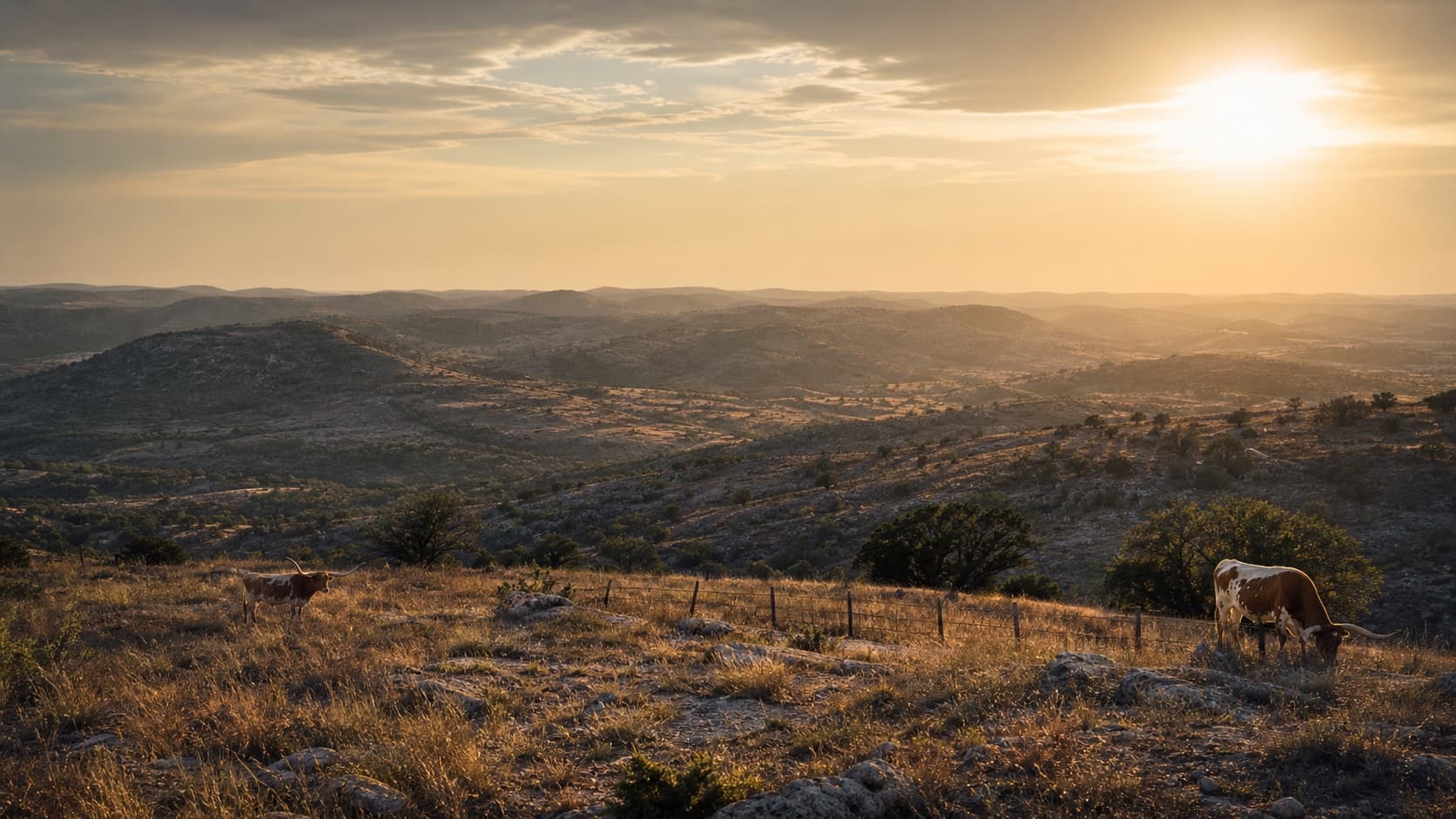
Photography and specific language show the scale and character of the work.
The one thing a university town gives an online brand that no rural market can is people. Photography, copywriting, support tickets, data cleanup, and paid-media assistance are all jobs a capable part-time hire does well, and a large research institution supplies them steadily.
The trade is that the same turnover ruining your local customer base also churns your team. Anyone good leaves on a predictable schedule. That argues for documented process and systems surviving a handover rather than hiring talent and hoping it stays. Build the operation so the next person runs it inside a week.
- 01
Split the two audiences
Campus-driven seasonal buyers and national repeat buyers get different offers, different emails, and different budgets.
- 02
Bank the spike
Capture contact details during move-in and game weekends so the volume becomes a list instead of a one-time sale.
- 03
Build for the second order
Post-purchase flows, replenishment timing, and reasons to return that do not require buying the click again.
- 04
Write the playbook
Document the operation so a part-time team can run it and turnover stops costing you a quarter.
Who the system can support
For brands headquartered here whose revenue does not depend on being here.
Suits an online brand operating out of the Brazos Valley with a product that ships anywhere and a customer who could live anywhere. You get a talent pool and a reasonable cost base, and the local market becomes a bonus channel rather than the foundation under everything.
Suits a campus-only brand much less. If the entire catalog is spirit wear or dorm goods, you have a seasonal retail business with an online storefront, and the useful advice looks more like event marketing. Real growth would mean adding products somebody buys twice.
Industry questions
Industry FAQs
Is the student market worth building around?
Worth harvesting, not worth building around. It delivers concentrated volume on predictable weekends, then goes quiet, and the buyers graduate. Take the revenue, capture the email addresses, and stay clear-eyed that this is a seasonal channel rather than a growth engine. Brands that mistake the spike for a trend over-buy inventory and regret it by February.
Should we run local ads at all?
During the spikes, yes, with a hard budget cap and a specific offer. Outside them the audience is too small and too transient to justify the spend. Local advertising for an online store is only rational when there is a physical event, a pickup option, or a genuine local product angle behind it.
Hiring for e-commerce roles is hard. Any advantage here?
One real one. Part-time and entry-level hiring is easier here than in most Texas markets, and it suits the work e-commerce actually generates: product photography, listing maintenance, support tickets, returns. Build those roles to be learnable in days rather than months, because the conditions that make hiring easy make retention hard.
Ready to claim more territory?