Direct answer
Who does digital marketing for land and agriculture businesses in Huntsville, TX?
Barbed Wire Studios builds websites and lead systems for land and agriculture businesses in Huntsville, Texas, a market anchored by Sam Houston State University. The work covers local SEO, web design, paid advertising, hosting, automation, and analytics. The studio is based in North Zulch, Texas, and covers fourteen markets across the state.
land & agriculture · Huntsville
Timberland on one side, a procurement office on the other.
Walker County land is piney woods, not open prairie. Sam Houston National Forest shapes what the property around Huntsville actually is: timber, hardwood bottom, trails, and wooded acreage that needs different work than pasture. Clearing, selective harvest, road building, and access lanes are the vocabulary, and the buyer knows the difference.
The other half of this market is institutional. Sam Houston State University and the Texas Department of Criminal Justice headquarters anchor an unusually institution-heavy economy for a town this size. Grounds work, land management, forestry services, and equipment supply all have a public-sector version bought through formal process rather than a handshake.
Those two motions want different things from a website. One buyer wants a capability statement, insurance limits, and a documented process. The other wants photographs of a cleared lane and a number that gets answered. Serving both from one page usually loses the institution first.
Services for Huntsville Land & Agriculture
Build the pieces that carry the load.
Each service below is adapted for the local market, competition, and operating reality.
SEO & Local Dominance
Own the map pack and show up when high-intent customers across Texas are actively looking for your services.
SEO in Huntsville ↗02◫Website Design & Development
Conversion-focused, mobile-ready sites with a distinctive point of view—built to turn attention into qualified leads.
Website in Huntsville ↗03↗Paid Advertising
Targeted search and social campaigns with every dollar tracked, every call counted, and every weak spot tightened.
Paid in Huntsville ↗04◇Hosting & Site Care
Fast, secure, hands-off management that keeps your digital storefront healthy while you run the business.
Hosting in Huntsville ↗05⟳Systems & Automation
Connect your tools, automate repetitive work, and use practical AI to lower operating costs without losing the human touch.
Systems in Huntsville ↗06⌁Analytics & Reporting
Plain-English reporting focused on leads, revenue, and the next move—not vanity metrics or decorative charts.
Analytics in Huntsville ↗The industry lens
Specific proof. Clearer fit.
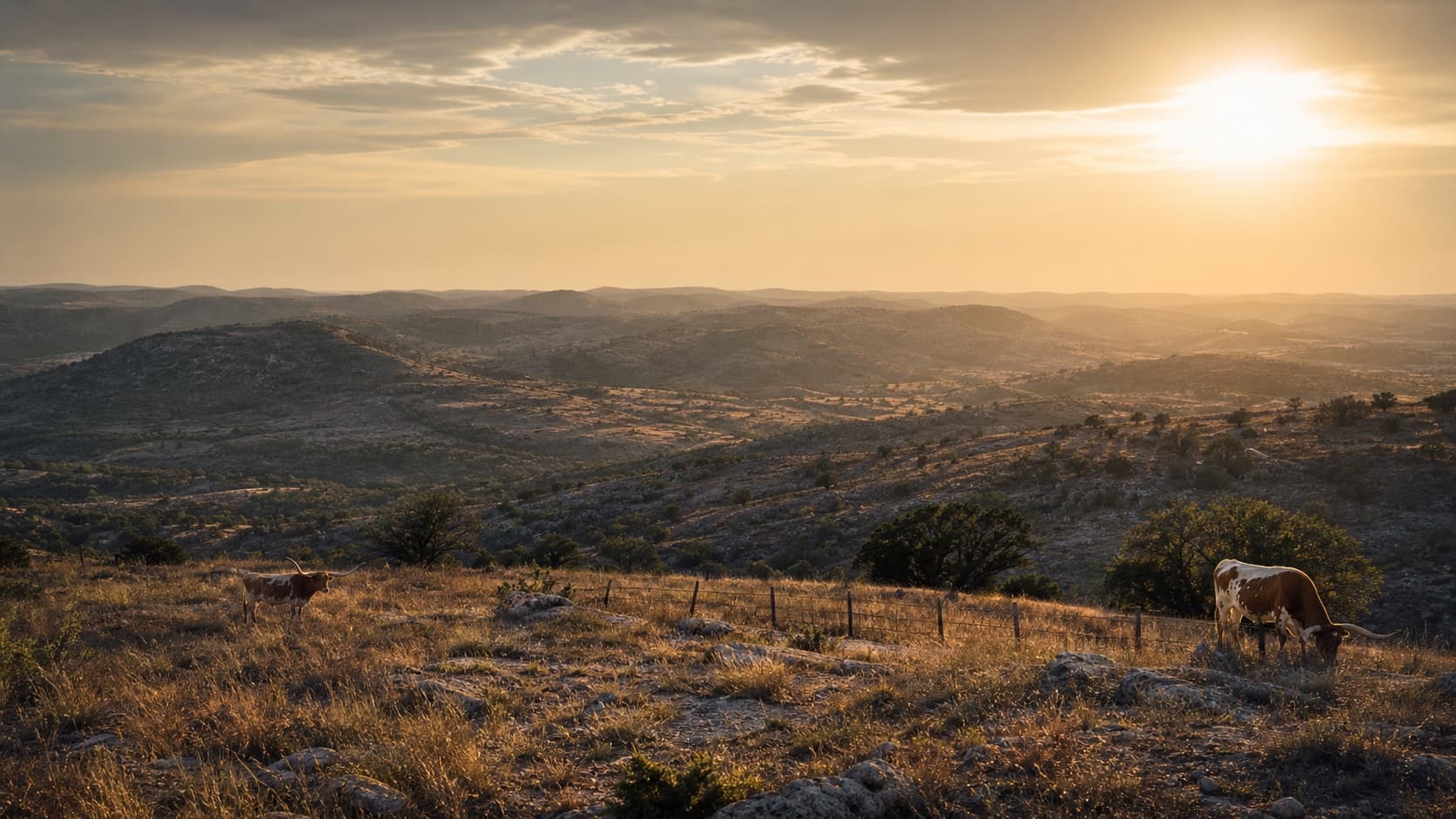
Photography and specific language show the scale and character of the work.
Public procurement runs on documented decisions and long timelines, which is frustrating and also a gift. A contract that takes months to award does not evaporate in a downturn, and the steady public-sector employment behind it cushions local demand in a way most rural counties never get. Patience is a strategy here.
The academic calendar layers on top of that. Hiring cycles, semester breaks, and campus project windows change when work gets scheduled and when decisions get made. On the private side, forestry and land work follow weather, burn windows, and harvest timing. Neither one resembles a retail season, so plan the year around both.
- 01
Split private from public
Two entry points, two proof sets, one company standing behind them.
- 02
Build the capability page
Insurance, scope, and past performance in the format a buyer has to file.
- 03
Show timber work, not pasture work
Piney woods jobs photograph and sell differently than open ground.
- 04
Work the long clock
Stay in front of procurement contacts across award cycles, not quarters.
Who the system can support
For land and forestry companies that want both the landowner and the agency.
Suits forestry and timber services, land management and clearing crews working wooded acreage, equipment dealers with an institutional account list, and rural property companies selling piney-woods land to Houston buyers an hour down I-45.
Not a fit for a crew with no appetite for paperwork. Institutional work means certificates, forms, net terms, and a slower yes. If that reads as a bad trade, a purely landowner-facing program costs less and moves faster. The expensive mistake is building for procurement and then not answering the questionnaire.
Industry questions
Industry FAQs
How do we get in front of institutional buyers without a sales team?
Be the vendor who is easiest to justify. Put your scope, coverage, insurance limits, certifications, and past performance in plain language where a staffer researching the category and county will find it. Procurement people research well before they solicit, and that private research phase is most of the influence available to you.
Is wooded land actually a different marketing problem than pasture?
Yes, because the work and the buyer both differ. Timber acreage buyers ask about stand age, access roads, and harvest history. Pasture buyers ask about fencing, water, and carrying capacity. Listings written in pasture language for piney-woods property read as unfamiliarity, and the serious buyer moves on.
The university and agency market seems closed. Is it worth pursuing?
It is slow rather than closed. Formal processes exist to be documented, so requirements are knowable and timelines are predictable even when they are long. Treat it as a second line with its own materials and a multi-year horizon, funded by private work. Chasing it as a quick revenue fix wastes a year.
Ready to claim more territory?